
Cash on Delivery across Bangladesh
Luxotix Lenses
Made to your prescription: in a new frame, or fitted to the frame you own.
Everyday style without vision correction.
৳1,150 – ৳2,800
Standard · Single-Vision, Reading, Non-Prescription
From ৳750
Standard · Single-Vision, Reading, Non-Prescription
From ৳1,800
Eyecon · Single-Vision, Reading, Non-Prescription
From ৳2,100
Eyecon · Single-Vision, Reading, Non-Prescription
From ৳6,200
Hoya · Single-Vision, Reading, Non-Prescription

From ৳1,100
Essilor · Single-Vision, Reading, Non-Prescription


৳10,000 – ৳35,000
Essilor · Single-Vision, Reading, Non-Prescription
৳14,500 – ৳53,000
Essilor · Single-Vision, Reading, Non-Prescription
৳2,100 – ৳5,200
Essilor · Single-Vision, Reading, Non-Prescription
From ৳8,200
Essilor · Single-Vision, Reading, Non-Prescription

৳22,000 – ৳38,000
Essilor · Single-Vision, Reading, Non-Prescription
Showing 36 of 78 lenses
Pick the prescription type, brand and lens, and upload or type in your prescription.
Bring it to one of our shops, or we call to arrange a pickup from your address.
We make the lenses for your frame and fit them once we have the frame and your prescription.
We send your glasses back to your address.
Starting prices for a pair, by prescription type and brand. The exact price depends on the lens and its thickness and coating, and is shown at every step when you choose.
Clear vision at one distance — near or far.
A seamless lens for near, intermediate and far distances.
For close-up work. Enter your reading power as SPH, e.g. +1.50.
Distance on top, reading below, with a visible line.
Everyday style without vision correction.
One correction across the whole lens, for seeing far (short-sighted, SPH −) or near (long-sighted, SPH +).
The most common choice. Your prescription has one SPH per eye, and maybe a CYL and AXIS.
Distance at the top, middle distance in the centre and reading at the bottom, with no visible line.
For people over about 40 who need help both far and near. Your prescription shows an ADD (reading addition). Expect a week or two to get used to them.
Made for close work such as books, phones and sewing; things far away look blurred through them.
If your prescription has an ADD, enter your distance SPH plus that ADD as your reading power. If you use shop readers, enter their power (for example +1.50) as the SPH for both eyes; tick "Same for both eyes" to save time.
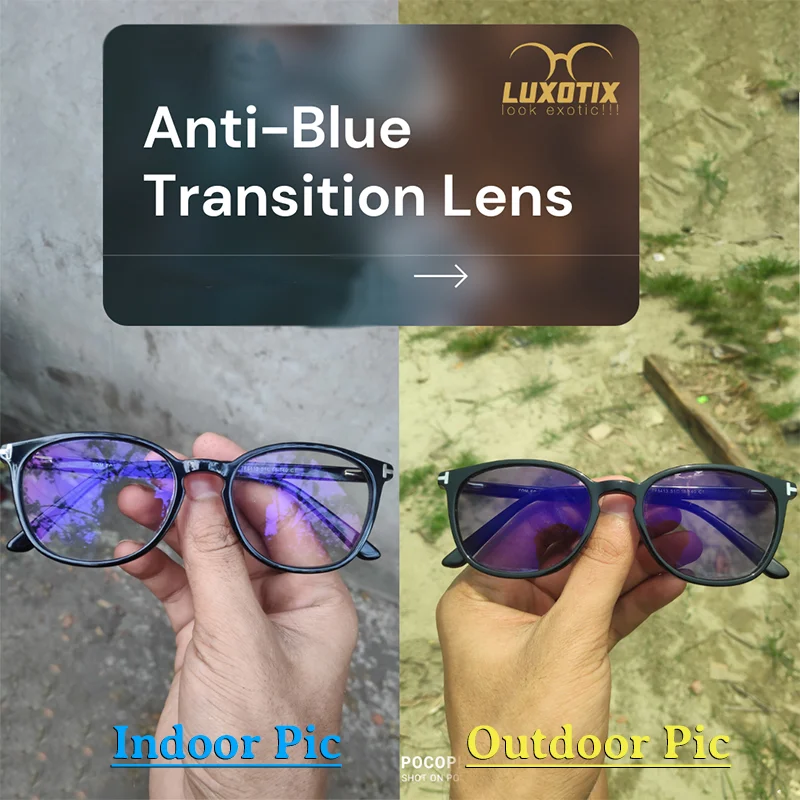
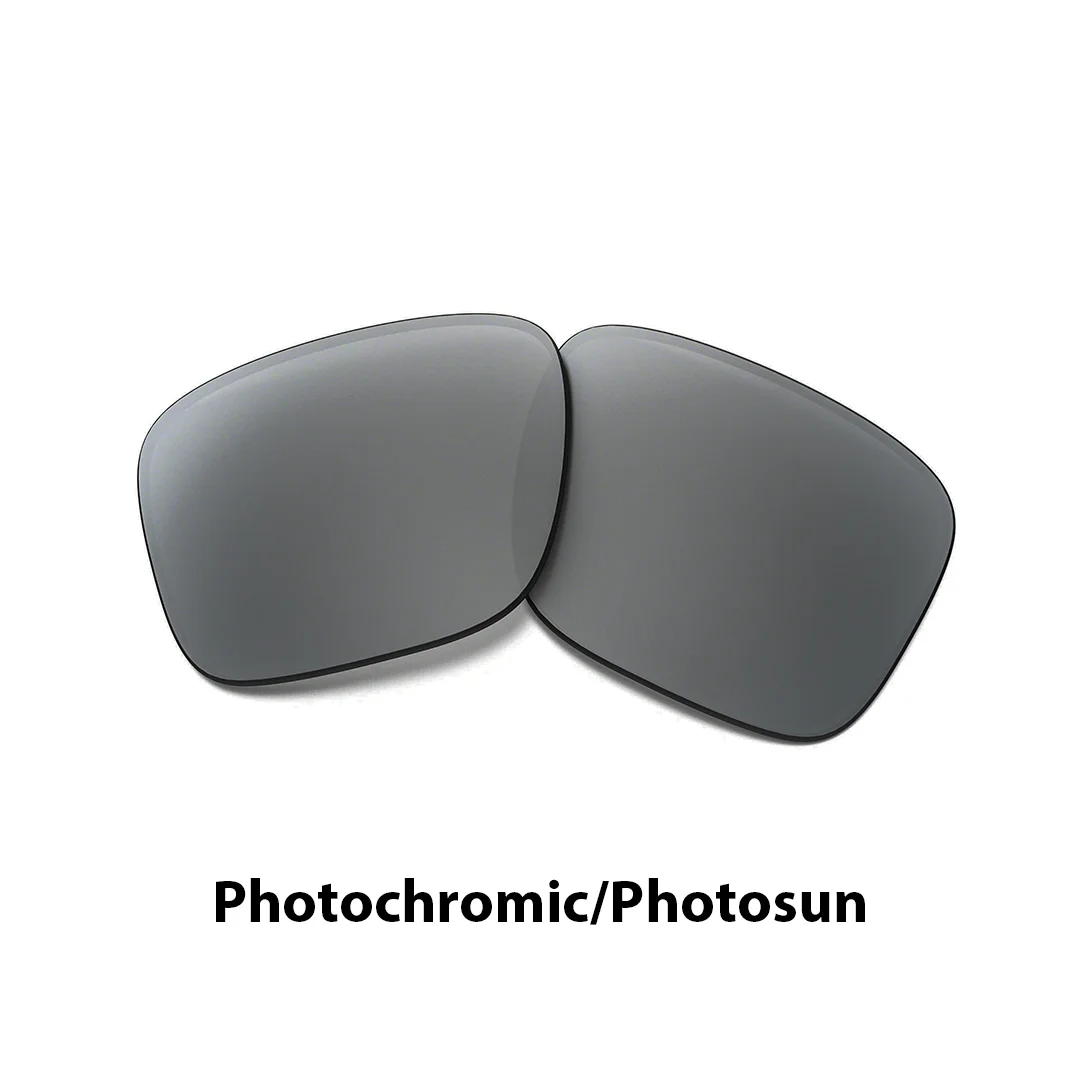
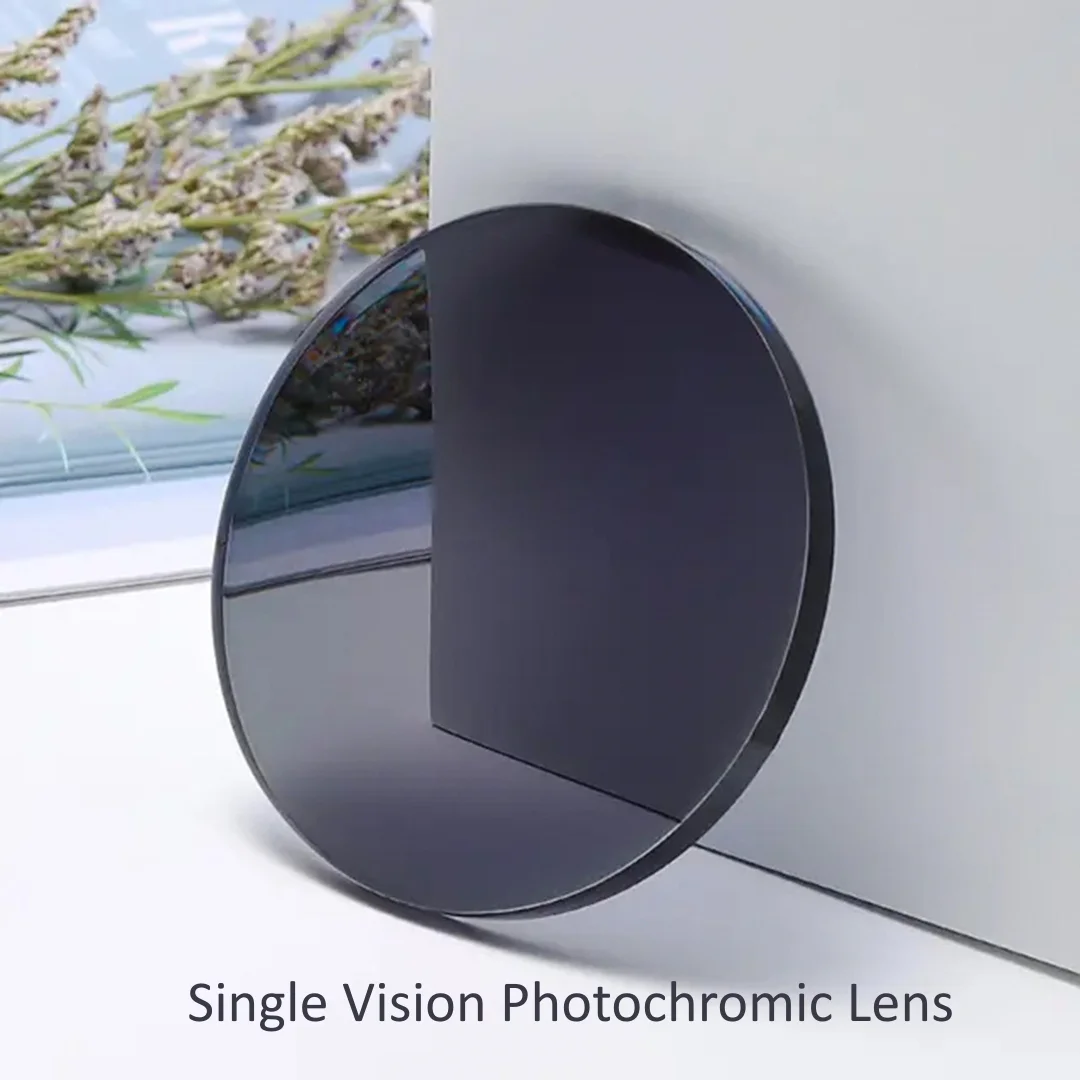
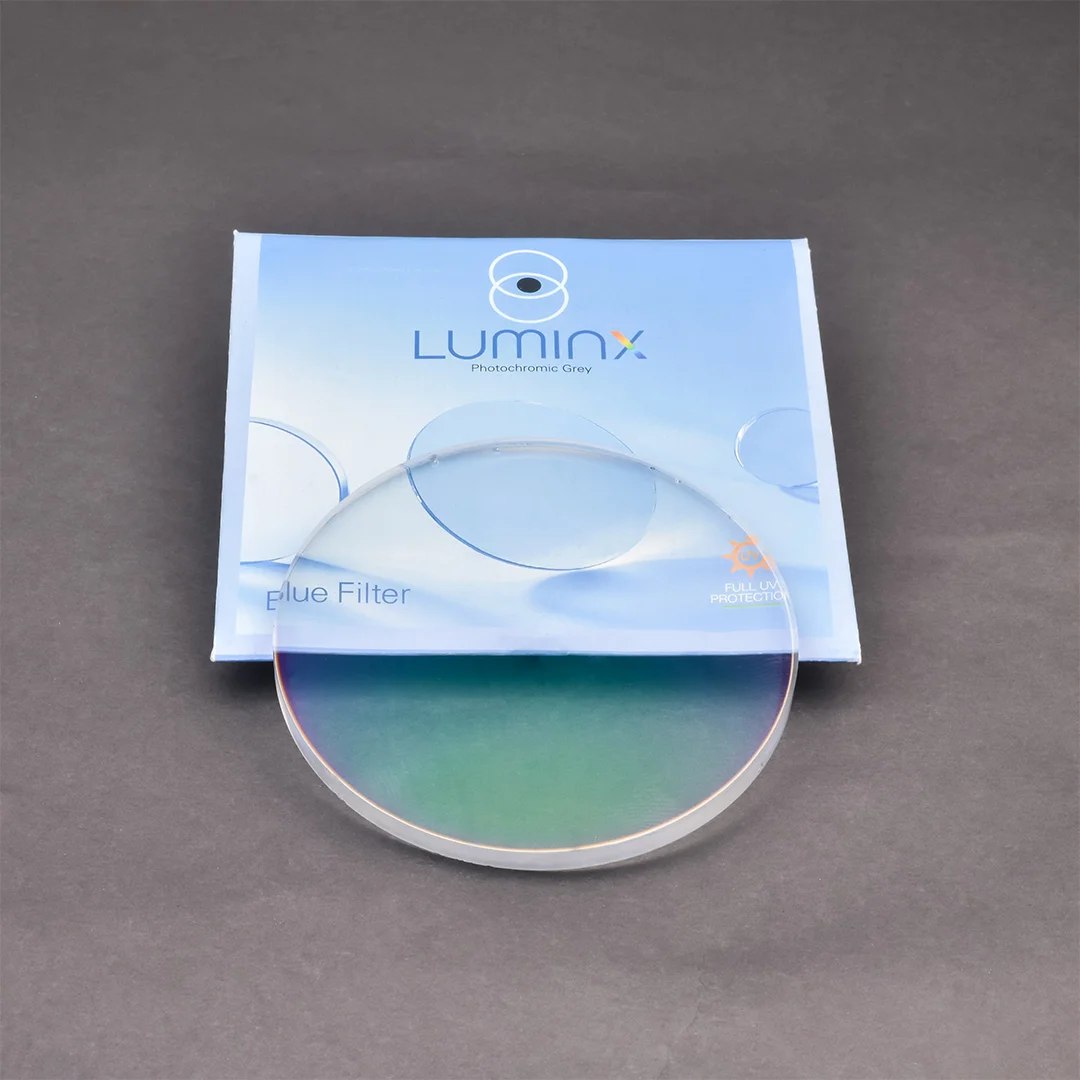
Clear indoors and darker outdoors in sunlight, with full UV protection. They take a minute or two to change.
They darken less inside a car, because windscreens block most UV light.
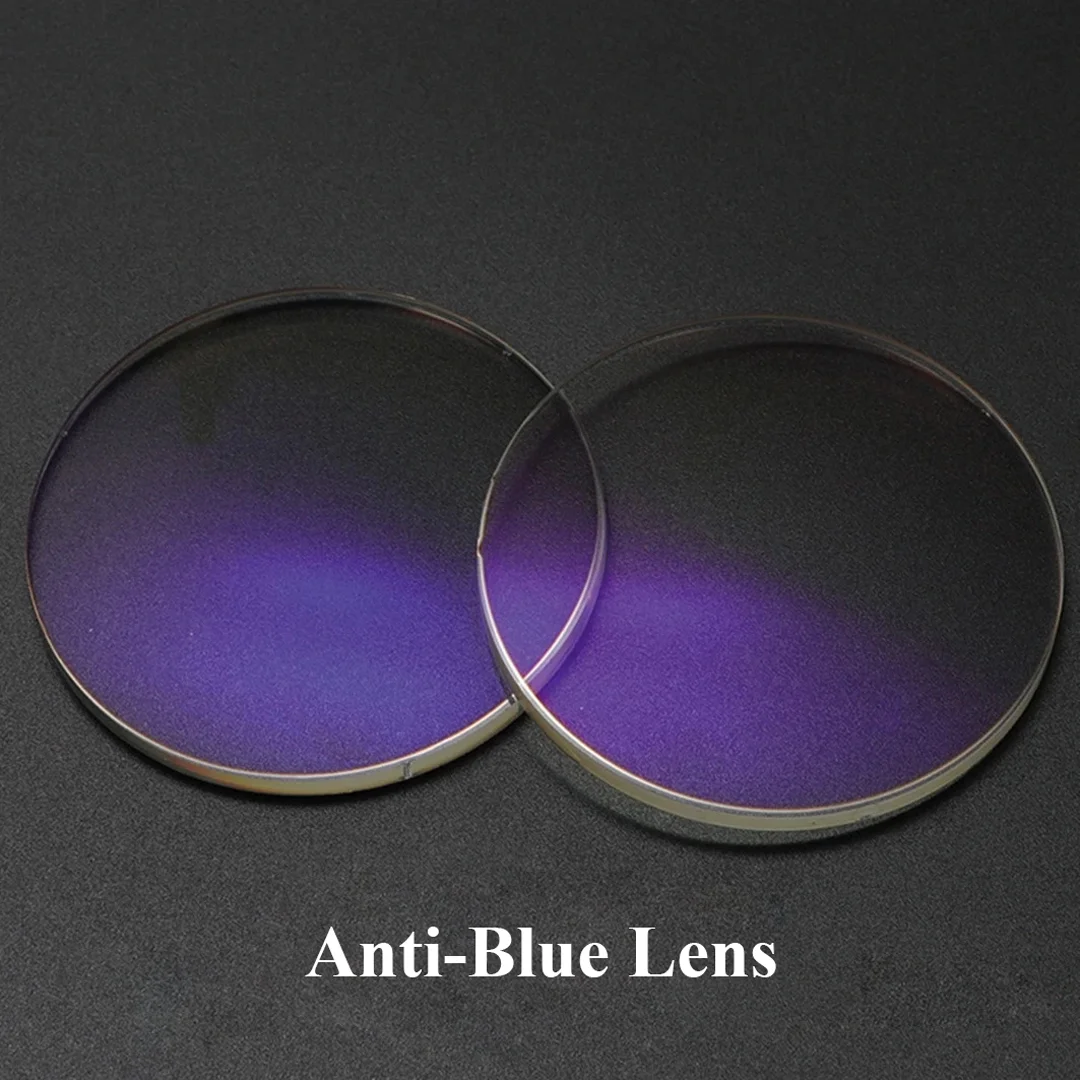
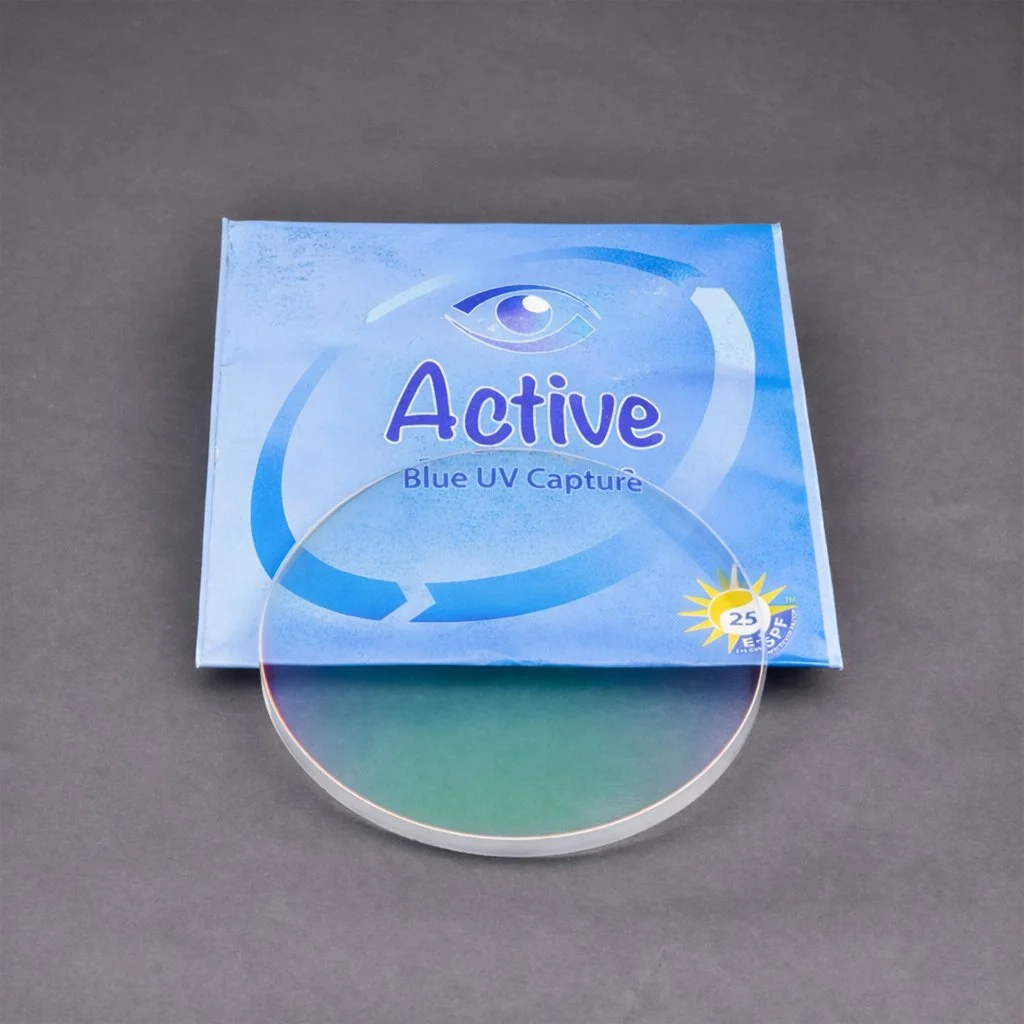
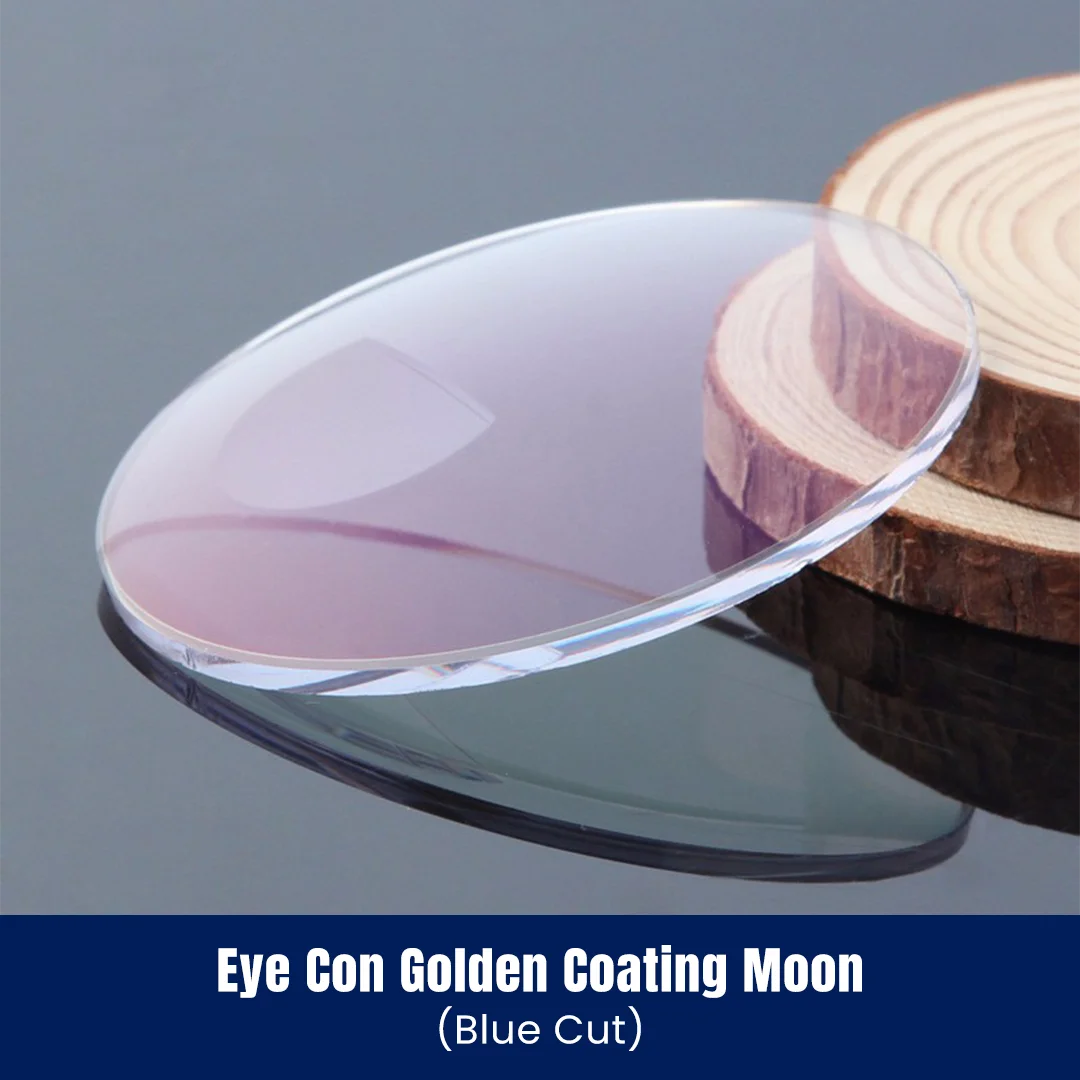
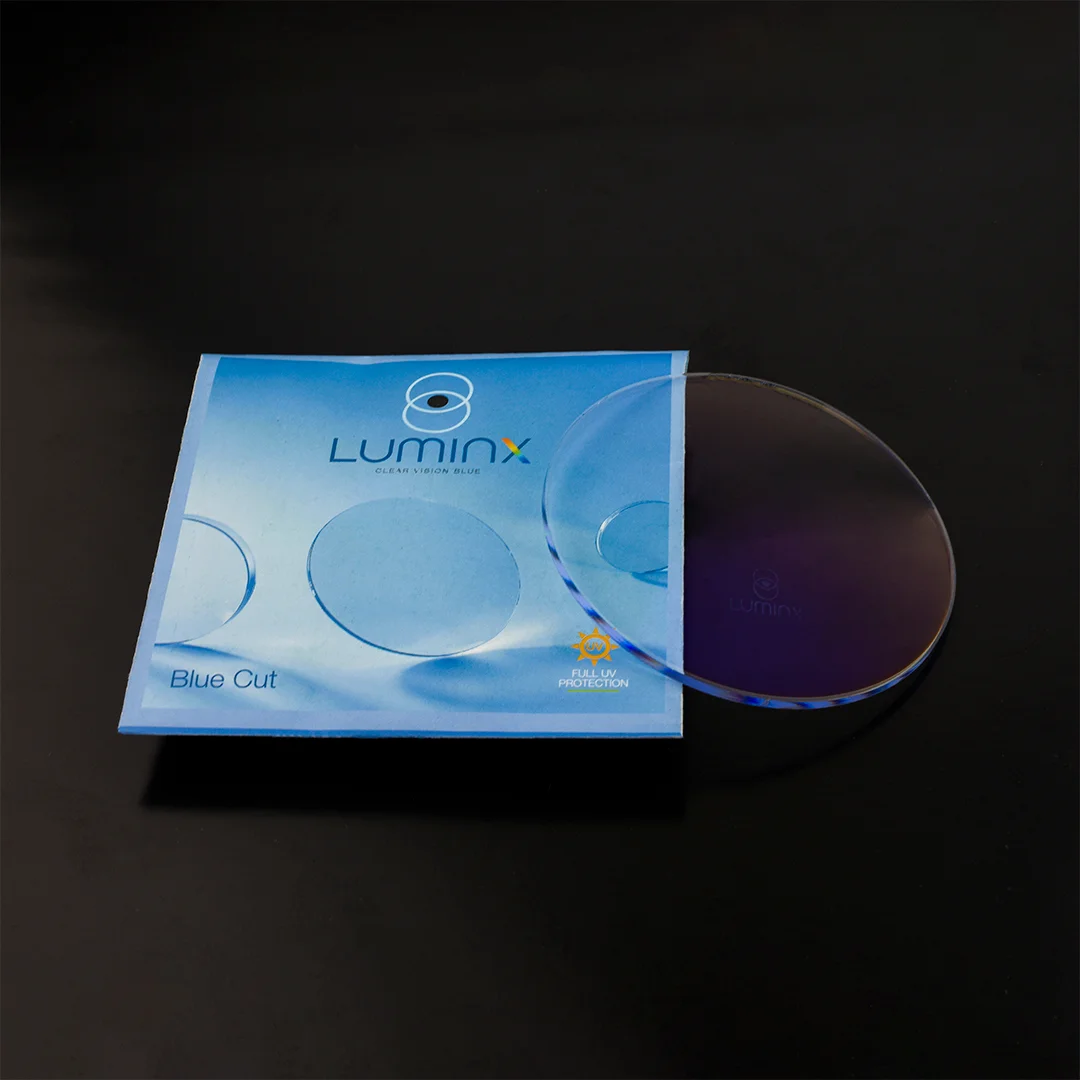
A clear lens that filters some of the blue light from screens, which many people find more comfortable on long screen days.
Available with or without a prescription.
Sunglass lenses that cut glare reflected from water, roads and glass. They make bright days easier and driving safer.
Available in grey, brown or green, with or without a prescription.
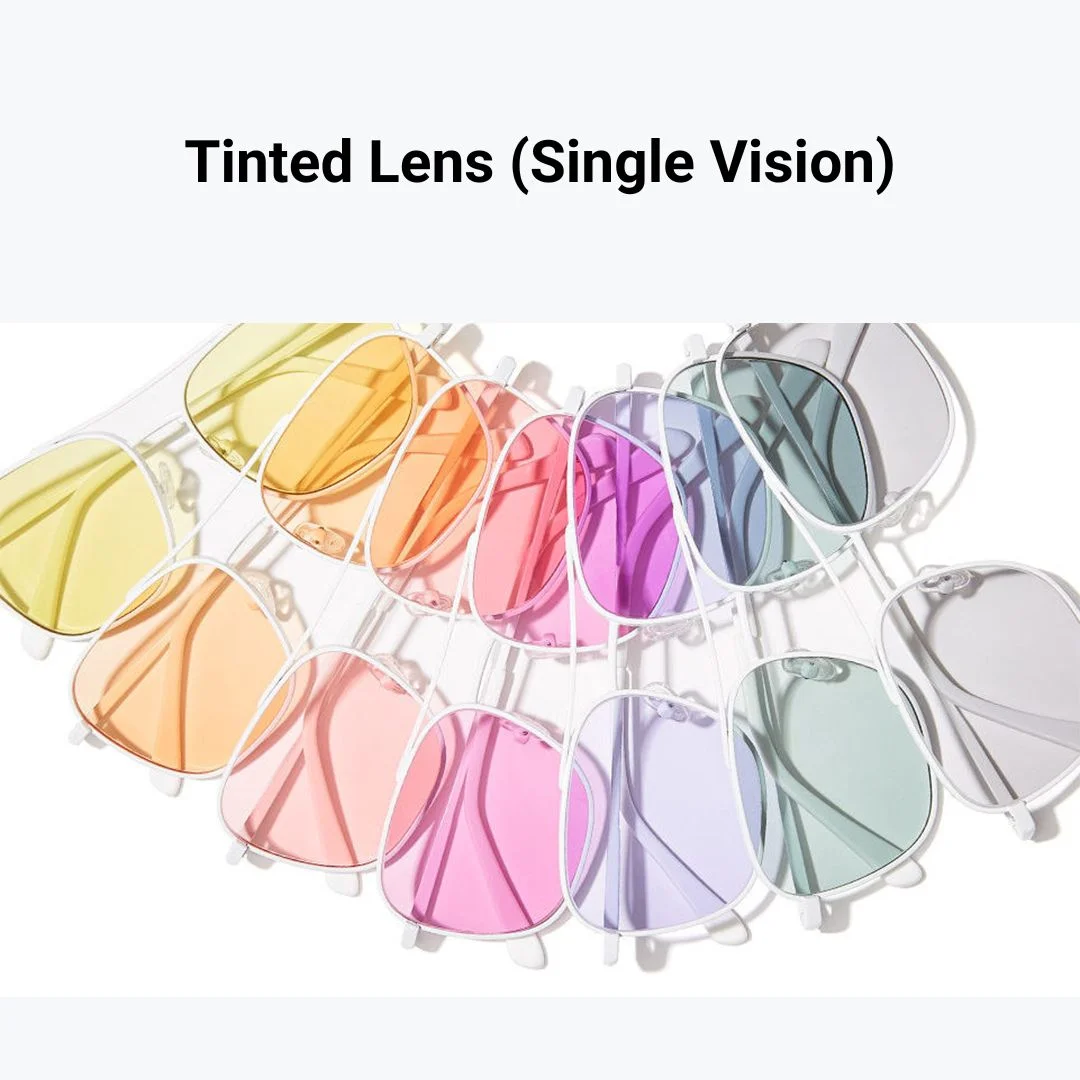
A sunglass tint over your prescription, with UV protection. Choose grey (true colours), brown (more contrast) or green (balanced) in the lens flow.
An anti-glare lens for clearer vision on the road, especially against headlights and wet roads at night.
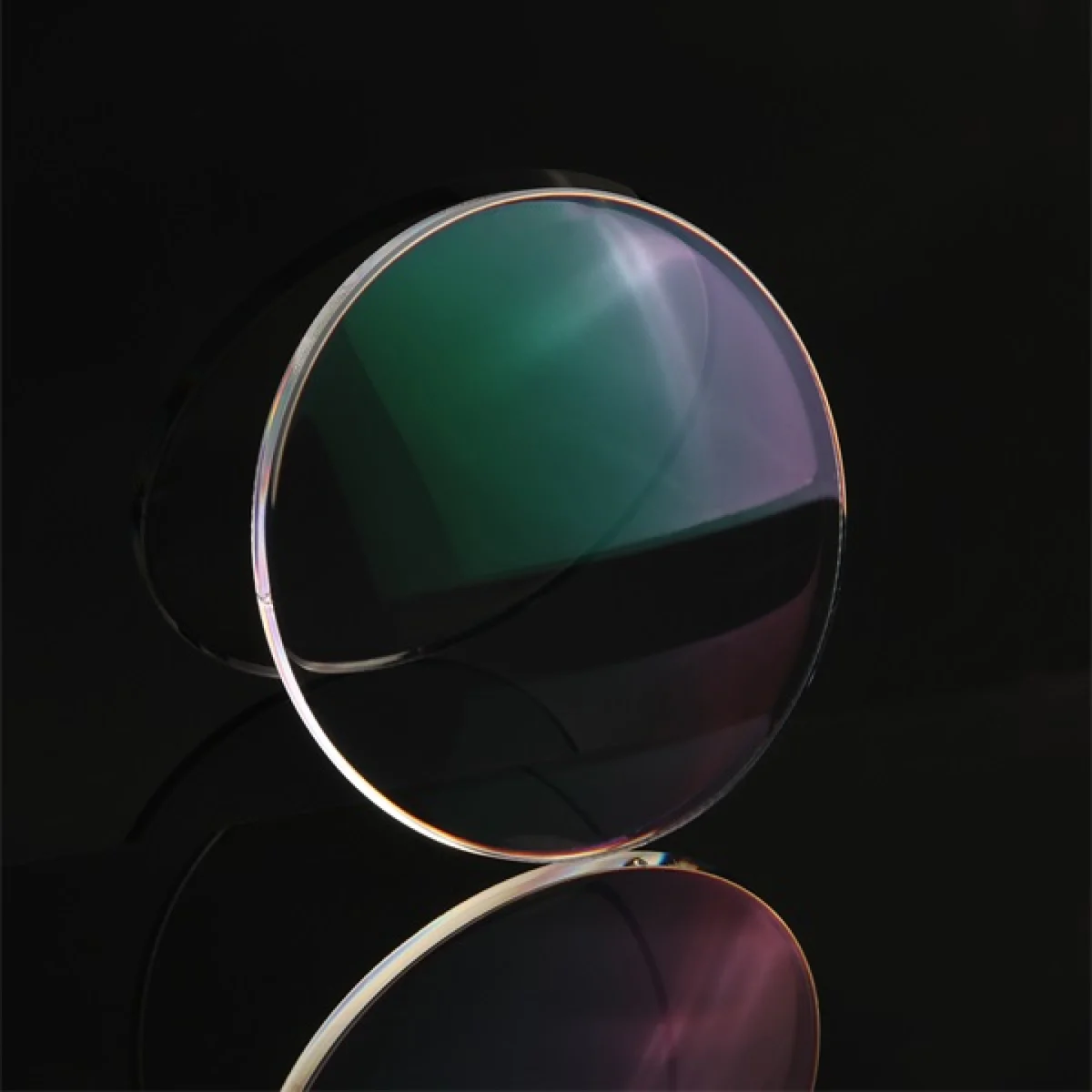
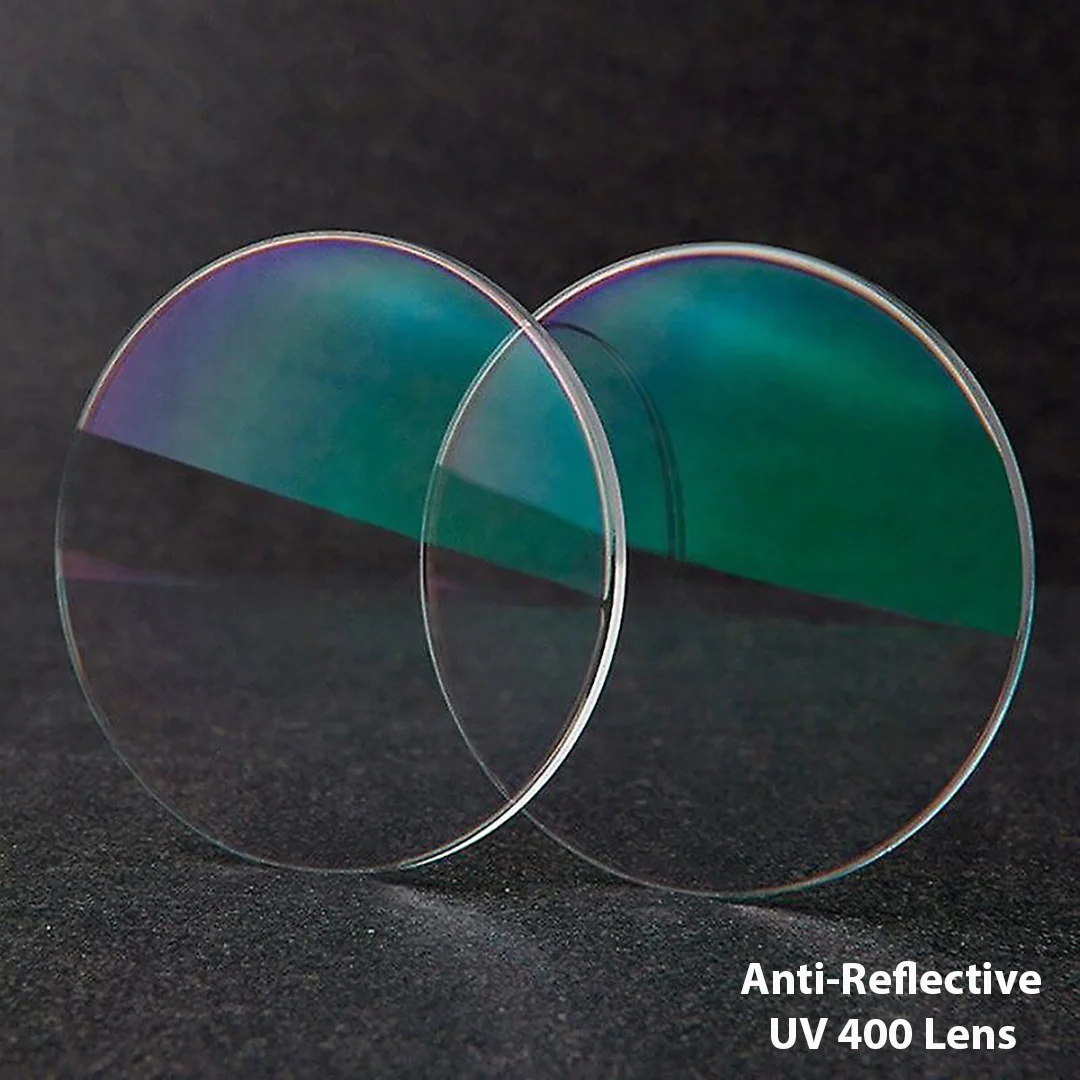
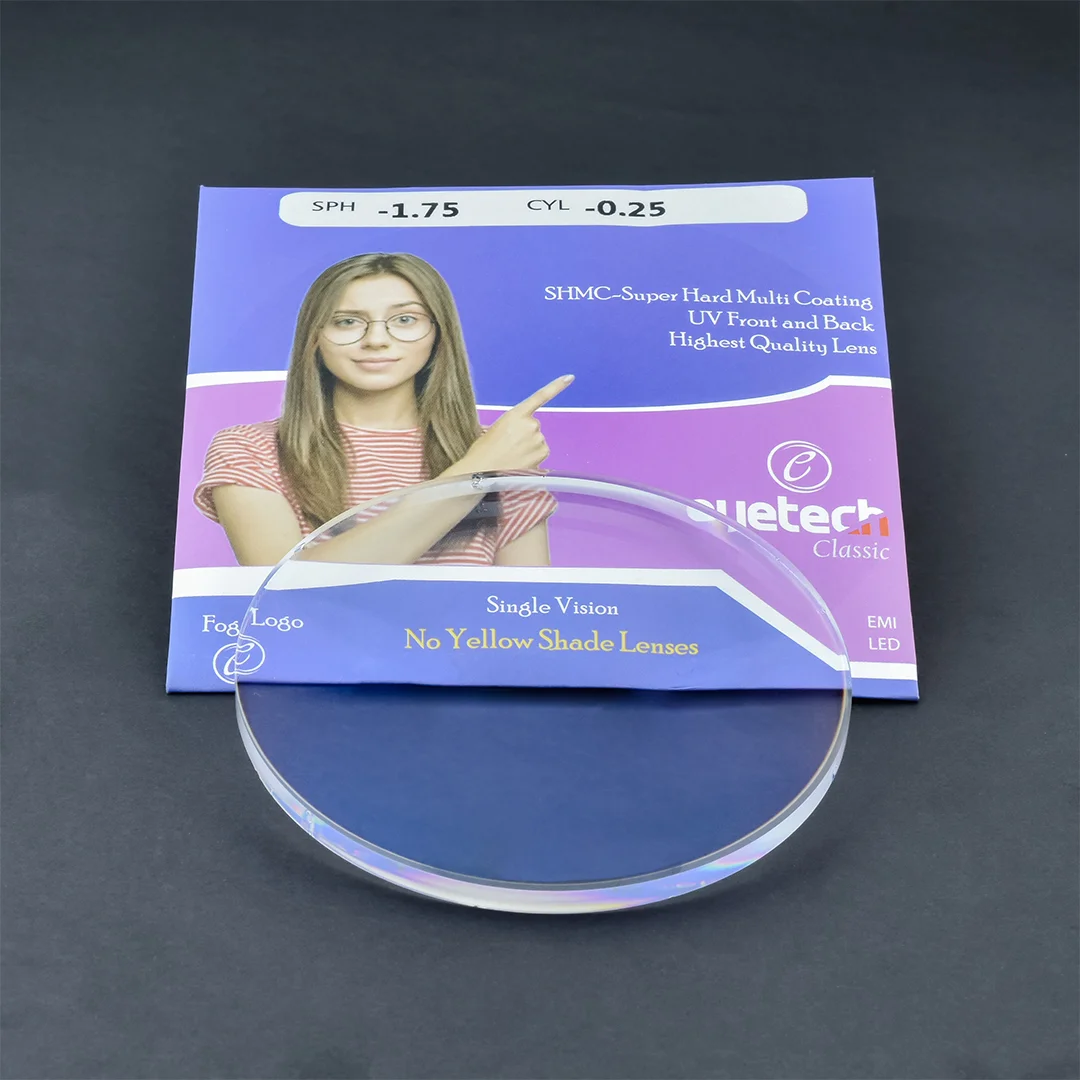
Every lens has a standard hard coat against scratches at no extra cost. Anti-reflective coating cuts reflections and glare from screens and lights; super hydrophobic adds a layer that sheds water and smudges and is easier to clean.
Your prescription has a row for each eye: OD is the right eye and OS is the left. Copy the numbers exactly as written, including the + or − sign.
Not sure? Upload a photo of your prescription in the lens flow, or after you order on the order confirmation or the Track your order page, and we'll check it before we make your lenses.
If your PD isn't on your prescription, you can measure it with a friend and a millimetre ruler:
Measuring alone in a mirror is less accurate. If you can, visit one of our stores and we'll measure it for free.
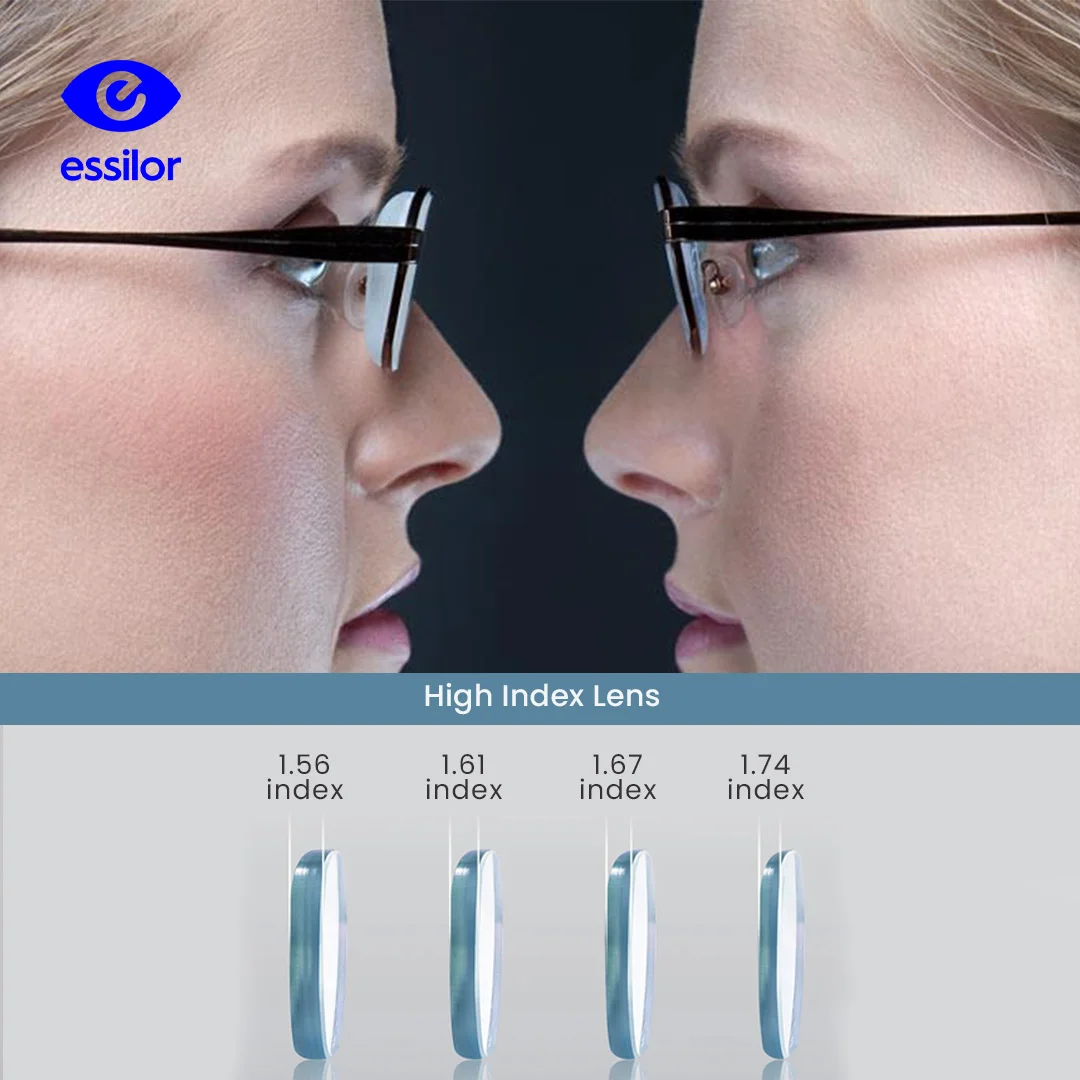
Stronger prescriptions make thicker lenses, especially at the edges of minus lenses. A higher index bends light more, so the lens can be thinner and lighter. Use your strongest SPH (or SPH plus CYL) as a guide:
| Lens | Suits prescriptions | Notes |
|---|---|---|
| 1.56 Standard | Up to about ±2.00 | Our standard lens; light and tough. |
| 1.61 Thin | About ±2.25 to ±4.00 | About 20% thinner than standard. |
| 1.67 Super Thin | Above about ±4.25 | The thinnest and lightest for strong prescriptions. |
Rimless and semi-rimless frames show the lens edge, so a thinner lens looks neater on them.